

Garlic is a versatile and powerful superfood that has been used for centuries in cooking and traditional medicine. From boosting immunity to enhancing heart health, this aromatic herb offers numerous benefits that make it an essential ingredient in every kitchen. Often grouped with other potent kitchen staples like turmeric and ginger, it shares a long-standing reputation for healing properties, making it a cornerstone of both culinary and wellness traditions.
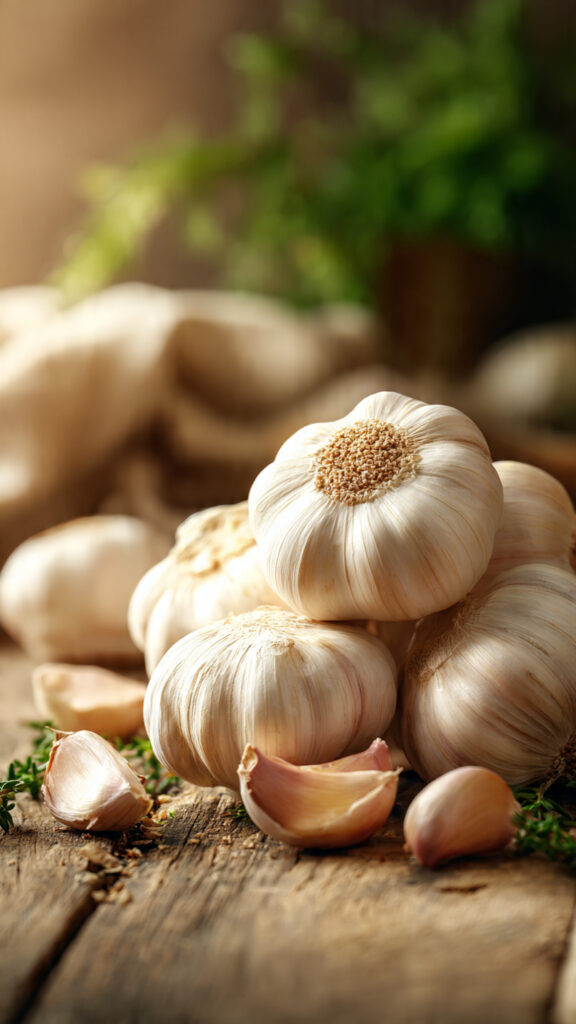
Introduction: Why Garlic Deserves More Respect Than Just a Kitchen Staple
Garlic is one of those ingredients we often take for granted. We toss it into curries, stir-fries, soups, and sauces almost automatically—rarely stopping to appreciate what garlic truly represents. Yet, this humble bulb has traveled with humanity for over 5,000 years, earning a place not just in kitchens, but also in ancient medicine, religious rituals, and modern scientific research.
From Ayurveda and Traditional Chinese Medicine to contemporary nutrition science, garlic has consistently been viewed as a powerful protector of health. Personally, garlic was one of the first remedies my elders turned to—whether it was for a cold, digestion issues, or even warding off infections. Only later did I realize that modern science validates much of this ancestral wisdom.
In this article, we’ll explore garlic beyond folklore—its nutritional profile, health benefits, varieties, scientific backing, and practical ways to use it for maximum benefit.
What Exactly Is Garlic?
Garlic (Allium sativum) belongs to the Allium family… What makes this medicinal bulb unique is its sulfur-containing compounds, especially allicin, which forms when garlic is chopped or crushed.
These compounds are responsible for:
- Garlic’s strong aroma
- Its medicinal properties
- Its antimicrobial and antioxidant effects
👉 According to the National Center for Biotechnology Information (NCBI), allicin is the key bioactive compound behind most of garlic’s health benefits.
Nutritional Profile of Garlic (Per 100g)
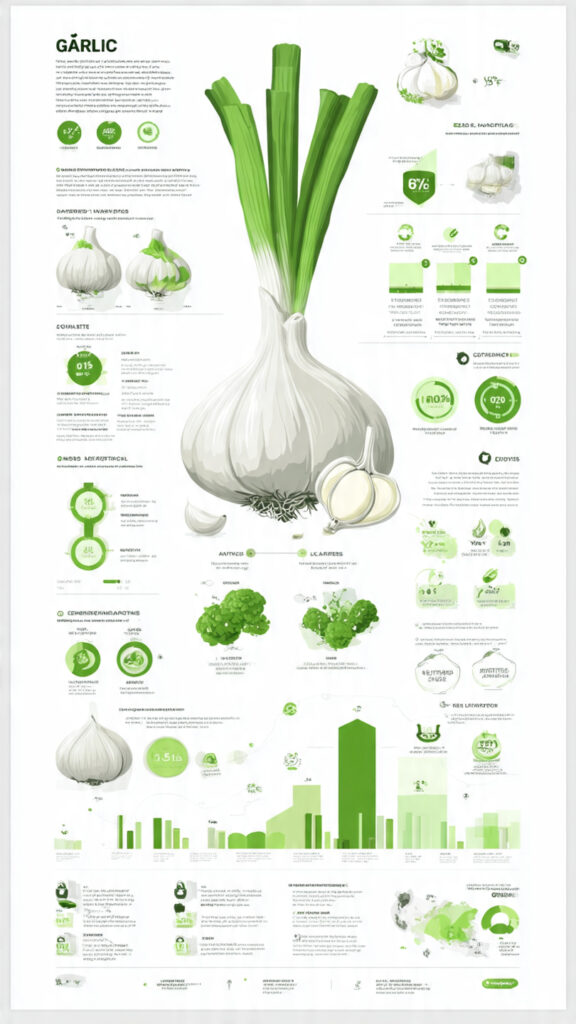
| Nutrient | Amount |
|---|---|
| Calories | 149 kcal |
| Carbohydrates | 33 g |
| Protein | 6.4 g |
| Fiber | 2.1 g |
| Vitamin C | 31% RDI |
| Vitamin B6 | 17% RDI |
| Manganese | 23% RDI |
| Selenium | 6% RDI |
🔍 While garlic is consumed in small quantities, its nutrient density and bioactive compounds make it disproportionately powerful.
Garlic in Traditional Medicine vs Modern Science
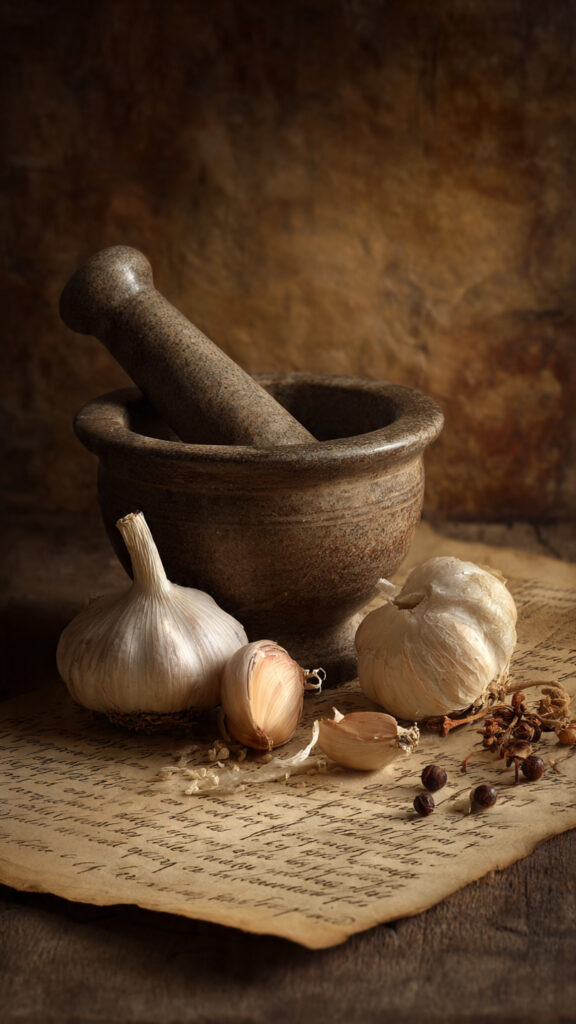
Traditional View
In Ayurveda, garlic is considered:
- Heating (Ushna)
- Stimulating for digestion
- Beneficial for circulation and immunity
It was often used for:
- Respiratory disorders
- Joint pain
- Digestive sluggishness
- Parasite removal
Modern Scientific Perspective
Modern research aligns remarkably well with tradition. Studies published by Harvard Health and WHO highlight garlic’s role in:
- Supporting cardiovascular health
- Reducing inflammation
- Fighting bacterial and viral infections
👉 This convergence of ancient wisdom and modern science is rare—and powerful.
Health Benefits of Garlic Backed by Research
1. Boosts Immunity Naturally
This superfood stimulates immune cells such as macrophages and lymphocytes. A clinical study published in Advances in Therapy showed that regular consumption reduced cold and flu incidence by up to 63%.
Tip: Crushed raw garlic mixed with honey is a traditional immune tonic.
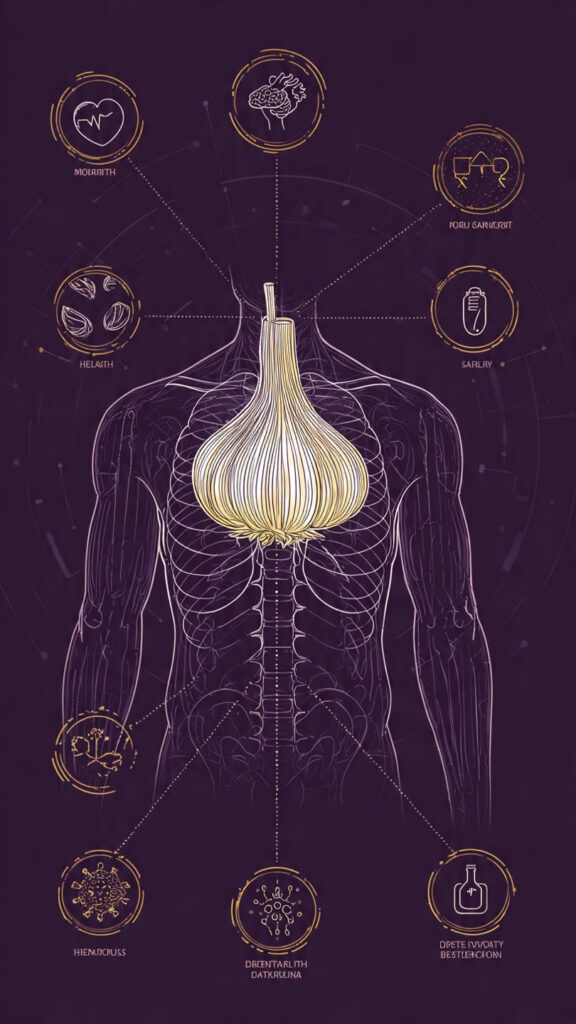
2. Supports Heart Health
Garlic helps:
- Lower LDL (bad cholesterol)
- Improve blood circulation
- Reduce blood pressure
According to the American Heart Association, garlic may reduce systolic blood pressure by 5–8 mmHg in hypertensive individuals.
3. Natural Antibiotic Properties
Before antibiotics existed, garlic was widely used to treat infections. Allicin exhibits strong activity against:
- E. coli
- Salmonella
- Staphylococcus aureus
👉 This makes garlic a valuable supportive remedy, though not a replacement for prescribed medication.
4. Anti-Inflammatory & Antioxidant Power
Garlic neutralizes free radicals and reduces oxidative stress—key contributors to aging and chronic disease.
This is why garlic is often linked to:
- Joint health
- Brain health
- Longevity
5. Supports Digestive Health
Garlic stimulates digestive enzymes and promotes healthy gut bacteria when consumed moderately.
⚠️ However, excess raw garlic may irritate sensitive stomachs—balance is key.
https://www.health.harvard.edu/heart-health/garlic-and-heart-health
https://fdc.nal.usda.gov/fdc-app.html#/food/169910/nutrients
Types of Garlic You Should Know
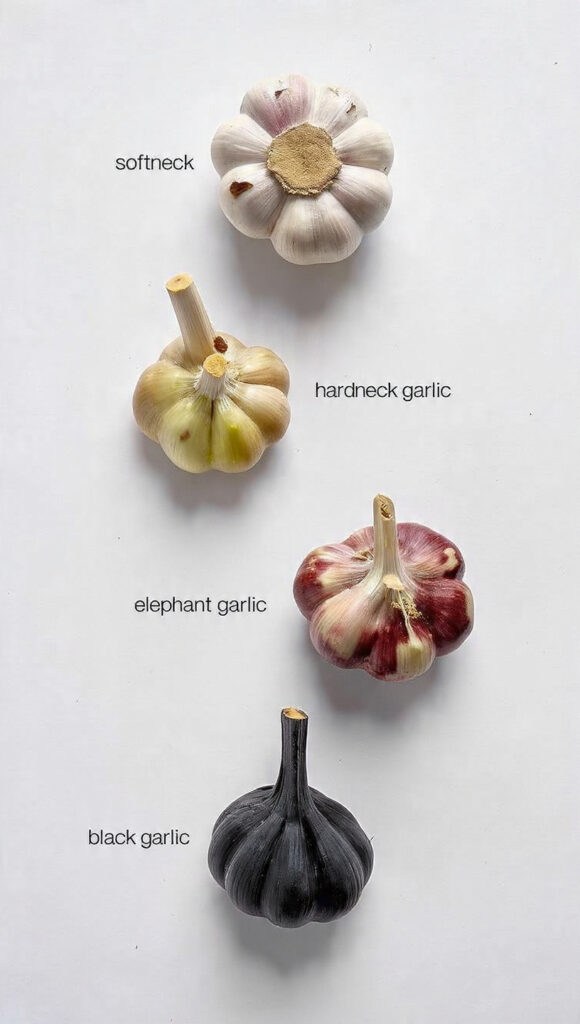
| Type | Characteristics | Best Use |
|---|---|---|
| Softneck Garlic | Mild flavor, long shelf life | Daily cooking |
| Hardneck Garlic | Strong flavor, fewer cloves | Roasting |
| Elephant Garlic | Mild, large cloves | Raw consumption |
| Black Garlic | Sweet, fermented | Gourmet dishes |
📸 Image suggestion: Comparative infographic showing garlic varieties
How to Use Garlic for Maximum Benefits
Raw vs Cooked Garlic
- Raw garlic → Maximum allicin
- Cooked garlic → Easier digestion, reduced pungency
💡 Pro tip: Crush garlic and let it rest for 10 minutes before cooking. This allows allicin to form and remain stable during cooking.
Daily Garlic Intake (Recommended)
- 1–2 cloves per day for general health
- Avoid excessive intake if you have gastric sensitivity
Common Myths About Garlic
❌ Garlic cures everything
❌ Garlic can replace medicines
❌ More garlic = more benefits
✔ Truth: Garlic is a supportive superfood, not a miracle drug.
Who Should Be Careful with Garlic?
- People on blood thinners
- Those with acid reflux
- Before surgery (stop intake 7 days prior)
👉 Always consult a healthcare professional if unsure.
Garlic in Spiritual & Cultural Practices
Across cultures, garlic has symbolized:
- Protection from negativity
- Purification
- Strength and vitality
In some traditions, garlic is avoided during spiritual fasting due to its stimulating nature, while others use it specifically for cleansing rituals.
Conclusion: Garlic Is Small, But Its Impact Is Massive
Garlic is a rare example of a food that transcends time, culture, and science. From ancient healers to modern researchers, everyone agrees on one thing—garlic works.
Whether you use it for health, flavor, or tradition, garlic deserves mindful respect, not casual neglect.
Call to Action (CTA)
💬 How do you use garlic in your daily life—health remedies or cooking?
Share your experience in the comments, and explore our related articles on natural immunity boosters and Ayurvedic superfoods.
📩 Subscribe to stay updated with research-backed wellness insights.